Effective Brick Wall Weatherproofing Against Harsh Storms
Hawkesbury sits in one of the more weather-exposed corners of the Sydney basin. Homes and commercial buildings here deal with intense summer thunderstorms, driving rain, hail, and the flooding risk that comes with the river system. Brick is a tough, long-lasting material, but it is not invincible. Over time, storm after storm can wear down mortar, let moisture into the wall, and compromise the building. This guide explains how brick wall weatherproofing works, what to look for, and how to protect your property in 2026 and beyond.
Why Brick Walls Struggle in Harsh Storms
Bricks themselves are porous. They absorb and release small amounts of water as part of normal behaviour. Problems start when too much water gets in, stays in, or repeatedly freezes, heats up, and cools down. In Hawkesbury, the main storm-related threats include:
- Wind-driven rain that pushes water sideways into mortar joints and hairline cracks.
- Hail impact that chips brick faces and damages sealants and paint coatings.
- Rapid temperature swings that cause expansion and contraction, stressing joints and leading to cracks.
- Prolonged dampness that encourages efflorescence (white salt deposits), mould, and spalling.
- Overflowing or blocked gutters that dump water down the wall face.
Understanding these threats helps you prioritise repairs and choose the right protection strategy before the next severe weather event.
Start With a Thorough Brick Wall Inspection
Good brick wall maintenance begins with a careful visual check, ideally twice a year and after any major storm. Walk the perimeter of the building and look closely at the following areas.
Mortar Joints
Mortar is usually softer than brick and is the first part to fail. Look for crumbling, sandy, recessed, or cracked joints. A simple test is to gently scrape the joint with a key. If mortar comes away easily, it needs attention. Early brick joint repair is far cheaper than dealing with water damage inside the wall cavity.
Brick Faces
Check for flaking, powdering, or chipped surfaces. This is known as spalling and signals that moisture is getting trapped. Early brick deterioration repair can stop small defects from spreading across an entire facade.
Cracks and Movement
Stair-step cracks following mortar lines, cracks wider than 3 mm, or gaps around windows and doors can indicate movement. Horizontal cracking or bulging may point to more serious brick structural integrity concerns. In these cases, it is wise to have a qualified professional assess the wall before undertaking cosmetic repairs.
Expansion Joints
Long brick walls need expansion joints to absorb thermal movement. When the sealant in these joints dries out, splits, or detaches, water can penetrate deep into the wall. Prompt brick expansion joint repair with a flexible, weather-rated sealant keeps the wall able to move without cracking.
Repointing: The Foundation of Weatherproof Brickwork
Brick repointing services involve removing deteriorated mortar to a consistent depth, typically about 2.5 times the joint width, and replacing it with fresh mortar. Done properly, repointing is one of the most effective ways to restore a wall's resistance to wind-driven rain.
Choosing the Right Mortar
One of the most common mistakes in brick mortar replacement is using mortar that is too hard. Older Hawkesbury homes, including heritage-era brickwork, were often built with lime-based mortar that is softer and more breathable. Replacing it with a hard cement-heavy mix can trap moisture and force it out through the bricks, causing them to crack and spall. For heritage buildings, brick mortar restoration should match the original mortar's composition, colour, and joint profile. For modern brickwork, a properly specified cement-lime mix is generally appropriate.
Repointing Best Practice
- Remove old mortar carefully, avoiding damage to the brick edges.
- Brush and flush out dust and debris from the joints.
- Dampen the wall lightly so the bricks do not draw water from the new mortar too quickly.
- Pack mortar in layers, compacting each one for a dense, void-free finish.
- Tool the joints to the correct profile, with concave or weathered joints shedding water best.
- Cure slowly by protecting the work from direct sun, wind, and rain for several days.
Repairing Damaged Bricks and Facades
Where individual bricks are cracked, spalled, or loose, they should be cut out and replaced with matching units. Brick facade repair is as much about appearance as protection, so colour, texture, and size matching matter. In more serious cases, such as bowing walls, failed lintels, or rusting wall ties, brick structural repair or brick wall reconstruction may be the only safe option. Sections of wall that have lost their stability should never be treated as a cosmetic job.
For larger or older properties, comprehensive wall repair combines repointing, brick replacement, crack stitching, and sealing into one coordinated plan so that no weak point is left behind.
Sealing and Coating Systems
Once the masonry is sound, a protective treatment can significantly improve storm resistance. The key is choosing the right product. Brick needs to breathe, so avoid anything that forms a non-permeable film over the surface.
Breathable Water Repellents
Silane and siloxane-based sealers penetrate the brick and line the pores, causing water to bead and run off while still allowing vapour to escape. These are well suited to exposed facades and form an important part of comprehensive sealing solutions. Reapplication is typically needed every 5 to 10 years, depending on product and exposure.
Paint and Decorative Coatings
If you prefer a painted finish, use high-quality, vapour-permeable masonry paints. Advanced painting techniques, such as proper surface preparation, primer selection, and multi-coat application, help ensure the coating bonds well and lasts through repeated storms. Painting over damp or contaminated brick is a common reason for peeling and blistering. For larger buildings, commercial painting sealing programs provide durable protection and a consistent appearance, while complete painting sealing and comprehensive painting sealing packages combine cleaning, repairs, sealing, and finishing in a single project.
Managing Water Before It Reaches the Wall
Even perfectly repointed brickwork will struggle if water is constantly running down it. Drainage and roofing systems are a key part of weatherproofing.
Gutters and Downpipes
Overflowing gutters are a leading cause of staining, efflorescence, and saturated brick. Consider advanced gutter solutions such as larger-capacity profiles, additional downpipes, leaf guards, and overflow relief points, all of which are useful in heavy Hawkesbury downpours. Prompt damaged gutter repair prevents small leaks from turning into chronic wall dampness. Material matters too: aluminum gutter repair typically involves resealing joints and replacing corroded sections, while copper gutter maintenance focuses on checking solder joints and keeping the system clear of debris. Property owners with larger sites can benefit from comprehensive gutter services and commercial gutter services that include regular cleaning and inspection.
Ground-Level Drainage
Water pooling at the base of a wall can wick upward through the brick. Make sure the soil slopes away from the building, garden beds do not bridge the damp-proof course, and stormwater drains are clear. Comprehensive drainage solutions, including agricultural drains, French drains, and properly connected stormwater lines, protect both the brickwork and the foundations. Good brick erosion control at the base of walls also means managing splashback and keeping garden mulch or soil below the damp-proof course.
The Roof–Wall Connection
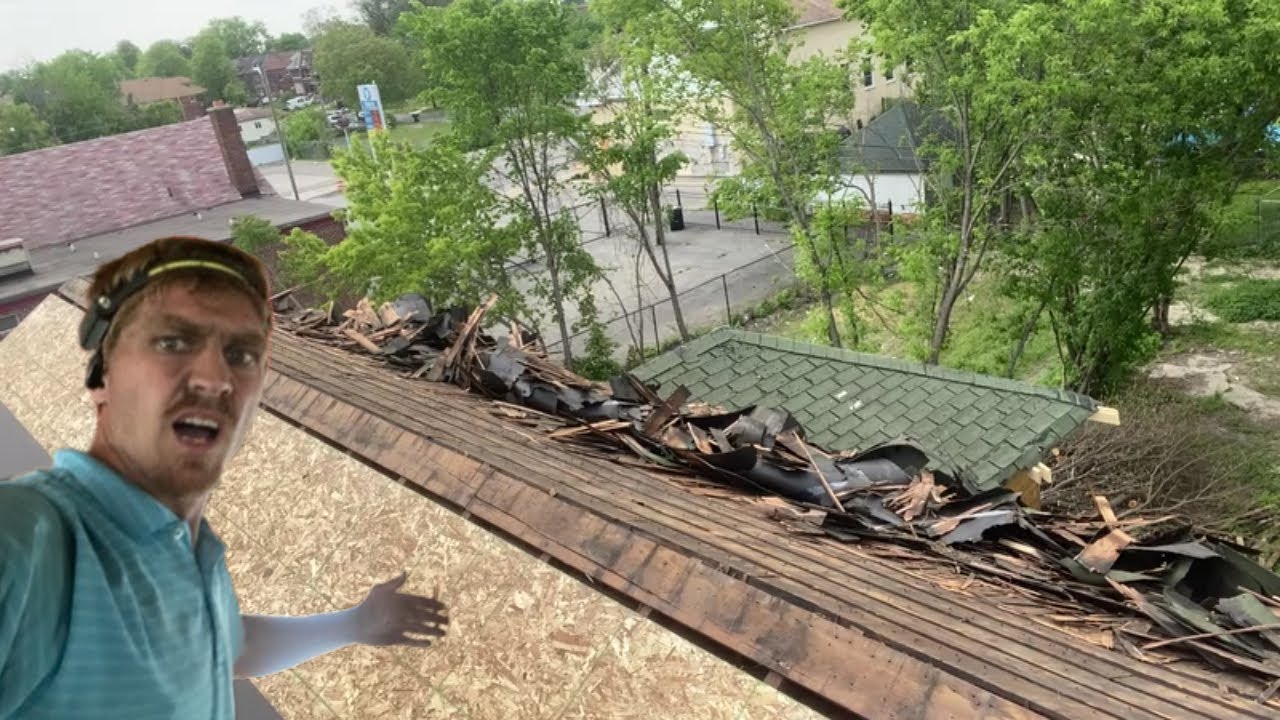
A brick wall is only as protected as the roof above it. Damaged flashings, lifted tiles, or failing roof edges can send water straight into the wall top and cavity.
- Flashings and cappings: Check that parapet cappings, chimney flashings, and wall-to-roof junctions are intact and well sealed.
- Roofing materials: Worn roofing may need asphalt shingle replacement or cedar shake replacement, depending on the style of the building.
- Professional help: Certified roof repair and advanced roof repair techniques address storm damage quickly, while comprehensive roof repair deals with multiple issues in one visit.
- End-of-life roofs: When repairs are no longer economical, complete roofing replacement, complete roof installation, or certified roof reroofing may be the better long-term investment.
For larger properties, commercial roofing, commercial roof repair, and commercial roof solutions are designed for flat or low-pitch roofs that handle heavy water loads. Ongoing comprehensive roof maintenance, comprehensive roofing services, comprehensive roof replacement, and comprehensive roof reroofing options help owners plan work before storm season rather than after damage occurs.
Ventilation, Heat, and Brick Longevity
Ventilation might seem unrelated to brick, but trapped heat and humidity inside a building affect the wall system. Poor airflow in the roof space can drive moisture into ceilings and walls, and extreme attic heat adds to thermal stress on the structure.
- Attic heat reduction: Lowering roof space temperatures reduces thermal load on the building envelope and cuts cooling costs.
- Attic cooling methods: Ridge vents, eave vents, and powered extraction can all help, depending on roof design.
- Attic ventilation installation and repair: New vents or attic ventilation repair restores airflow where blocked or damaged vents have limited performance.
- Advanced options: Advanced ventilation techniques, customized roof ventilation, and comprehensive roof venting are tailored to your roof pitch, insulation, and climate exposure.
Pairing good ventilation with brick thermal insulation strategies, such as insulated cavity walls or internal wall insulation, improves comfort and reduces the temperature swings that stress masonry. Together these measures support brick durability enhancement over the long term.
A Seasonal Weatherproofing Checklist for Hawkesbury Properties
Before Storm Season (Spring)
Clear gutters and downpipes, inspect mortar joints, check expansion joint sealant, and review roof flashings. Book repointing or sealing work early, since good weather windows for masonry curing are valuable.
After Major Storms
Walk the property and look for new cracks, loose bricks, damaged gutters, displaced roof materials, and water stains on internal walls. Photograph any damage for insurance purposes and arrange repairs promptly to avoid further deterioration.
Annual Maintenance
Wash walls gently with a soft brush and low-pressure water (high-pressure washing can damage mortar and brick faces), remove vegetation such as climbers that trap moisture, and reapply sealers when water no longer beads on the surface.
When to Call a Professional
Small jobs such as clearing gutters or touching up sealant can be handled by confident homeowners. However, work at height, structural cracking, heritage brickwork, and large-scale repointing should be handled by experienced, licensed tradespeople. In New South Wales, certain building work requires licensing and compliance with the National Construction Code and relevant standards, so always confirm credentials, insurance, and warranty terms before work begins. For older Hawkesbury buildings, check whether heritage controls apply, as these can affect the materials and methods https://troyjqwx149.nexorafield.com/posts/a-practical-guide-to-roof-warranties-and-common-exclusions permitted.
Planning Ahead for 2027 and Beyond
With weather patterns producing more intense rainfall events, building owners are increasingly planning for resilience rather than reacting to damage. Investing in quality mortar, breathable sealers, upgraded drainage, and a well-maintained roof system now can reduce the likelihood of major repair bills in 2027 and the years that follow. A coordinated approach that treats the wall, roof, gutters, and ventilation as one system delivers the best protection.
Final Thoughts
Effective brick wall weatherproofing is not a single product or one-off job. It is a combination of regular inspection, timely repair, correct materials, and good water management. By addressing mortar and brick defects early, sealing with breathable products, keeping gutters and drainage working, and maintaining the roof above, Hawkesbury property owners can keep their brickwork strong, dry, and attractive through even the harshest storms.
Top Hawkesbury Roofer
Bells Line of Rd, Kurmond NSW 2757, Australia
(02) 4503 4545
Corrections
Spot something wrong? Send it to the desk and it gets fixed in the open.